
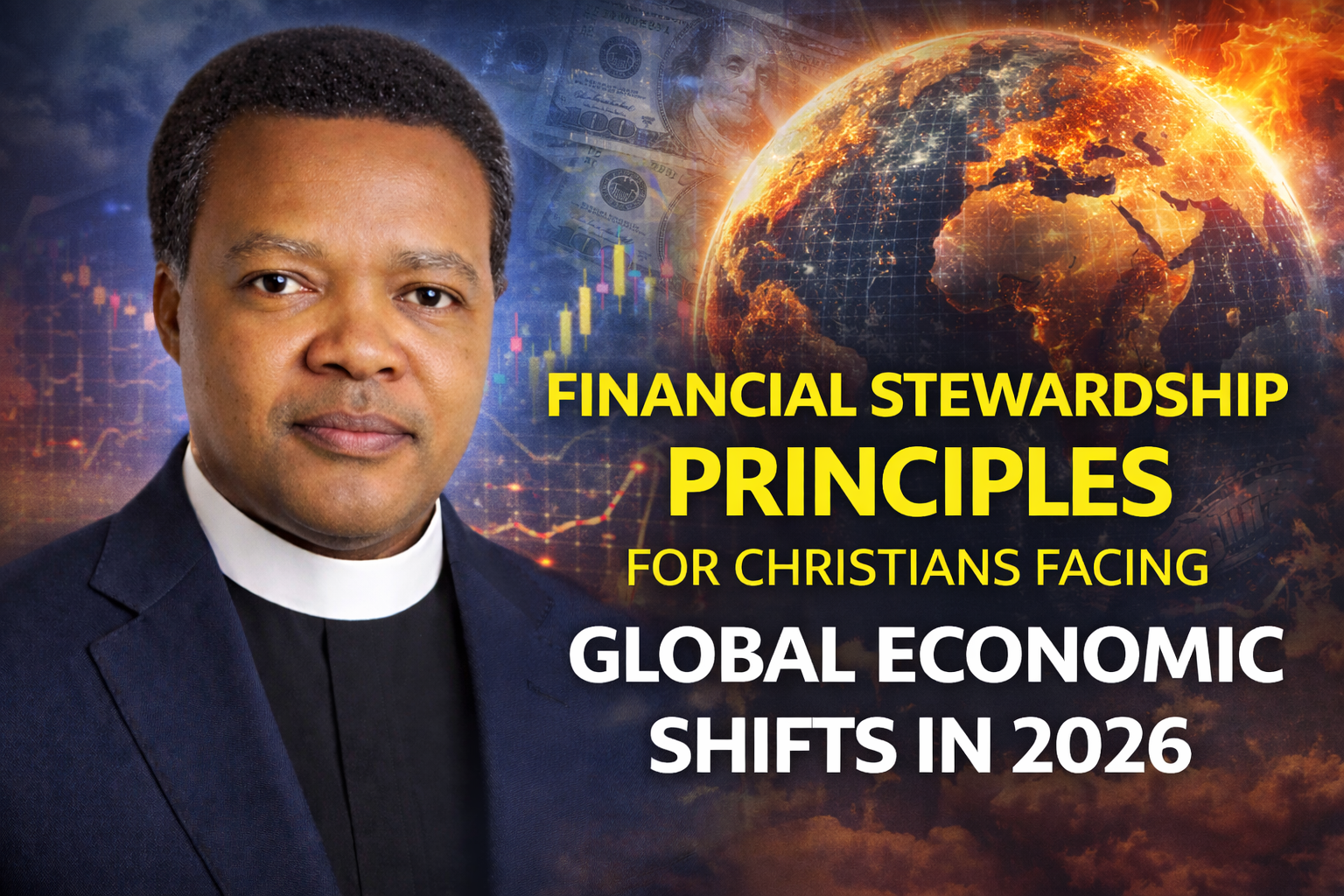
Introduction
The world in 2026 is experiencing serious economic shifts. Nations face inflation, unstable markets, employment uncertainty, and rising cost of living. Global systems fluctuate like waves in a stormy sea. But the Church of Jesus Christ is not governed by the instability of the world’s economy. The believer’s financial life is governed by the unchanging covenant principles of God.
“Jesus Christ the same yesterday, and to day, and for ever.” — Hebrews 13:8
While markets change, God’s covenant does not change. Christians must not anchor their financial decisions in economic fear, but in biblical stewardship. Our calling in times of global uncertainty is not panic, hoarding, or despair. Our calling is faithful stewardship.
1. Understand That Everything Belongs to God
The first principle of financial stewardship is recognizing divine ownership. The believer is not the owner of wealth — we are stewards. “The earth is the LORD’S, and the fulness thereof” (Psalm 24:1). Your salary, your business, your investments, your possessions — all belong to God. We are managers of divine resources. Jesus emphasized this: “He that is faithful in that which is least is faithful also in much” (Luke 16:10). In unstable seasons, God looks for faithful stewards, not wealthy people.
2. Reject Fear-Driven Hoarding
Economic crises produce fear, and fear causes people to hoard and withdraw from generosity. But fear contradicts faith. Jesus warned: “Lay not up for yourselves treasures upon earth… But lay up for yourselves treasures in heaven” (Matthew 6:19–20). Our security is not in the stock market, the banking system, or government policies — it is in God’s covenant provision. “I have been young, and now am old; yet have I not seen the righteous forsaken” (Psalm 37:25).
3. Practice Strategic Generosity
One of the greatest kingdom mysteries is that giving unlocks supply. “Give, and it shall be given unto you; good measure, pressed down, and shaken together, and running over” (Luke 6:38). Generosity is not careless spending — it is strategic kingdom investment through tithes, offerings, helping the poor, supporting ministry, and advancing the gospel. God Himself challenges us: “Bring ye all the tithes into the storehouse… and prove me now herewith” (Malachi 3:10).
4. Develop Disciplined Resource Management
Faith does not cancel wisdom. “Go to the ant, thou sluggard; consider her ways, and be wise” (Proverbs 6:6). The ant demonstrates preparation, diligence, and foresight. Christians must manage resources wisely through budgeting, saving, responsible spending, and avoiding destructive debt. God blesses order, not financial chaos.
5. Seek Divine Guidance Through Prayer
In times of economic instability, human wisdom alone is insufficient. “If any of you lack wisdom, let him ask of God” (James 1:5). Through prayer, God can reveal new opportunities, business ideas, financial strategies, and supernatural provision. In economic storms, prayer becomes financial navigation.
6. Trust God’s Covenant of Supply
God’s provision does not depend on global economic stability. It depends on His covenant faithfulness. “But my God shall supply all your need according to his riches in glory by Christ Jesus” (Philippians 4:19). The source is not the economy, employers, or governments — God Himself.
7. Thrive in Times of Scarcity
Consider Isaac. During famine, God instructed him to remain in the land. “Then Isaac sowed in that land, and received in the same year an hundredfold: and the LORD blessed him” (Genesis 26:12). Isaac prospered during famine because covenant principles override economic conditions.
8. Position the Church as a Beacon of Hope
When the world experiences scarcity, the Church should demonstrate generosity, compassion, faith, and stability. The early church practiced radical generosity: “Neither was there any among them that lacked” (Acts 4:34). When believers steward resources well, the Church becomes a refuge during economic storms.
Conclusion
The global economy may shift in 2026 and beyond. Markets may fluctuate. Currencies may weaken. But God’s covenant remains unshaken. Recognize God as the owner of all resources. Reject fear-driven hoarding. Practice strategic generosity. Manage resources with discipline. Seek divine guidance through prayer. Trust God’s covenant supply. Thrive even in seasons of scarcity.
“For where your treasure is, there will your heart be also.” — Matthew 6:21
Written by Apostle Salako Adedamola.
Apostle Adedamola Salako
Founder of Apostle Salako Studios — pastor, recording artist, and teacher on faith, music, and stewardship.
Frequently Asked Questions
QShould Christians save and invest?
Yes. Proverbs 6 commends the wisdom of the ant who stores in harvest for winter. Saving and investing are acts of stewardship when balanced with generosity.
QHow is tithing relevant during recession?
Malachi 3 invites us to prove God by tithing. Covenant giving is not contingent on the economy — it is the very door through which heaven's provision flows.
Enjoyed this article?
Get the next one straight to your inbox. One thoughtful email a week.
Comments (0)
Comments are stored locally in your browser. For published responses, email us via the Contact page.
You may also like
Provoking the Blessing of God at an Unexpected Time
A pastoral take on stewardship in a consumption economy.
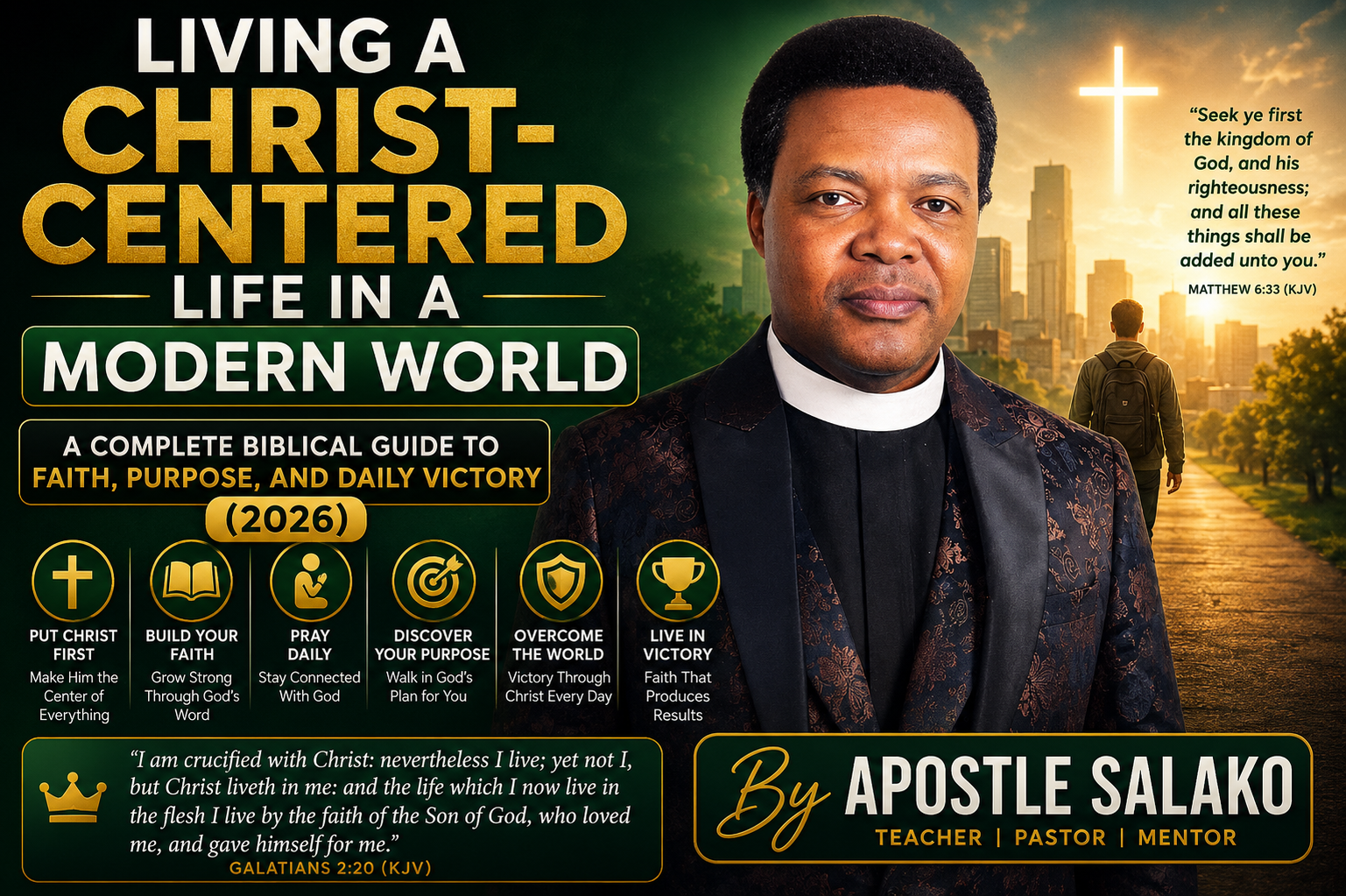
Living a Christ-Centered Life in a Modern World (2026): A Complete Biblical Guide to Faith, Purpose, and Daily Victory
Discover how to live a Christ-centered life in today's world with this complete biblical guide. Learn practical steps to grow spiritually, overcome distractions, and glorify God every day.
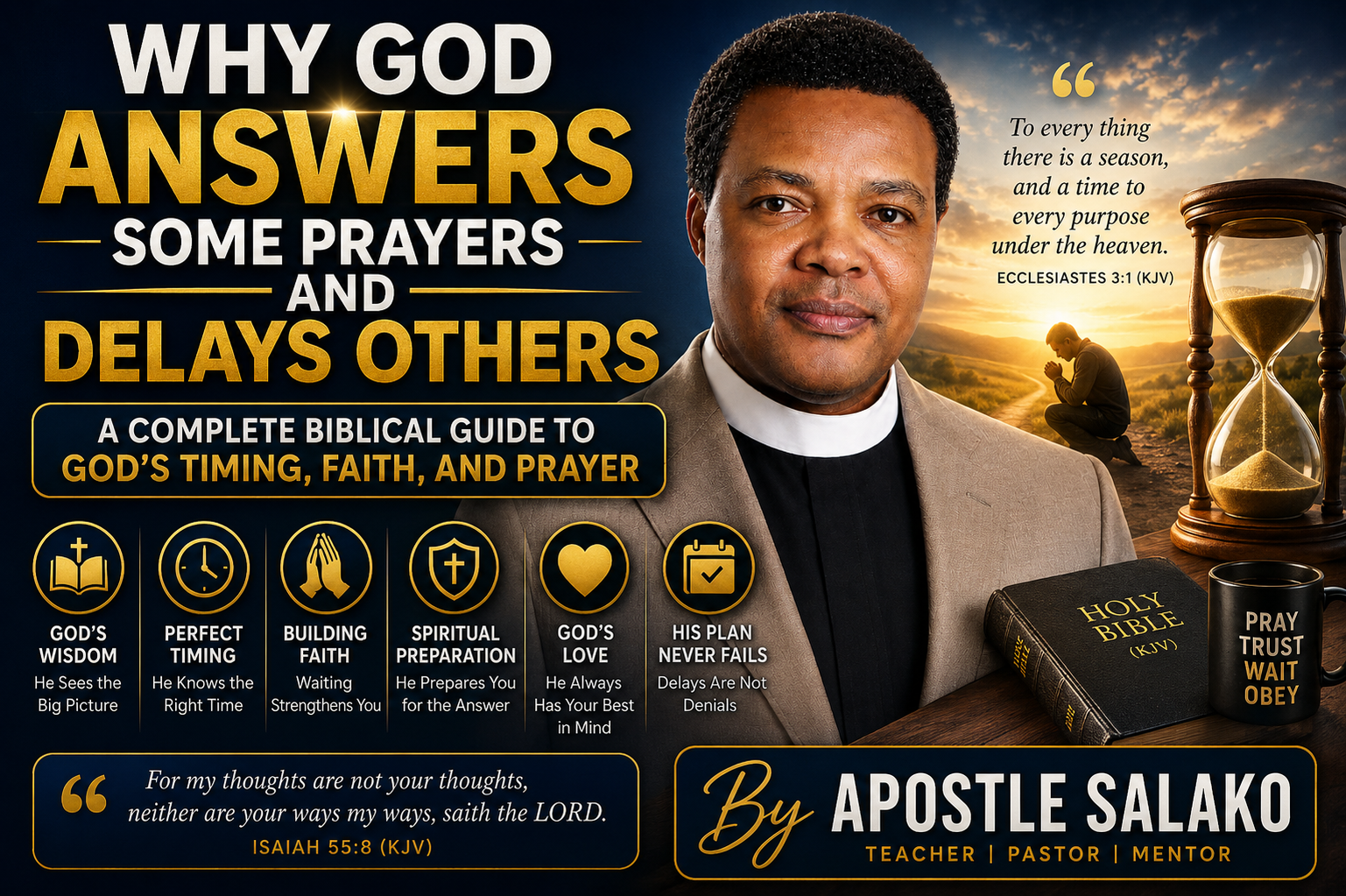
Why God Answers Some Prayers and Delays Others (Biblical Truth About God's Timing)
Discover biblical reasons God answers some prayers quickly and delays others. Learn to trust God's timing, wait with faith, and pray with confidence.